
Reduce inconsistent manual review
Show the suspected deformation directly and route only ambiguous cases to an inspector.
SURFACE QUALITY | FOCUSED DEFORMATION MODEL
Product goal: localize deformation on known pallet components, distinguish it from molded texture and normal wear, and deliver reviewable evidence for release, maintenance or escalation.
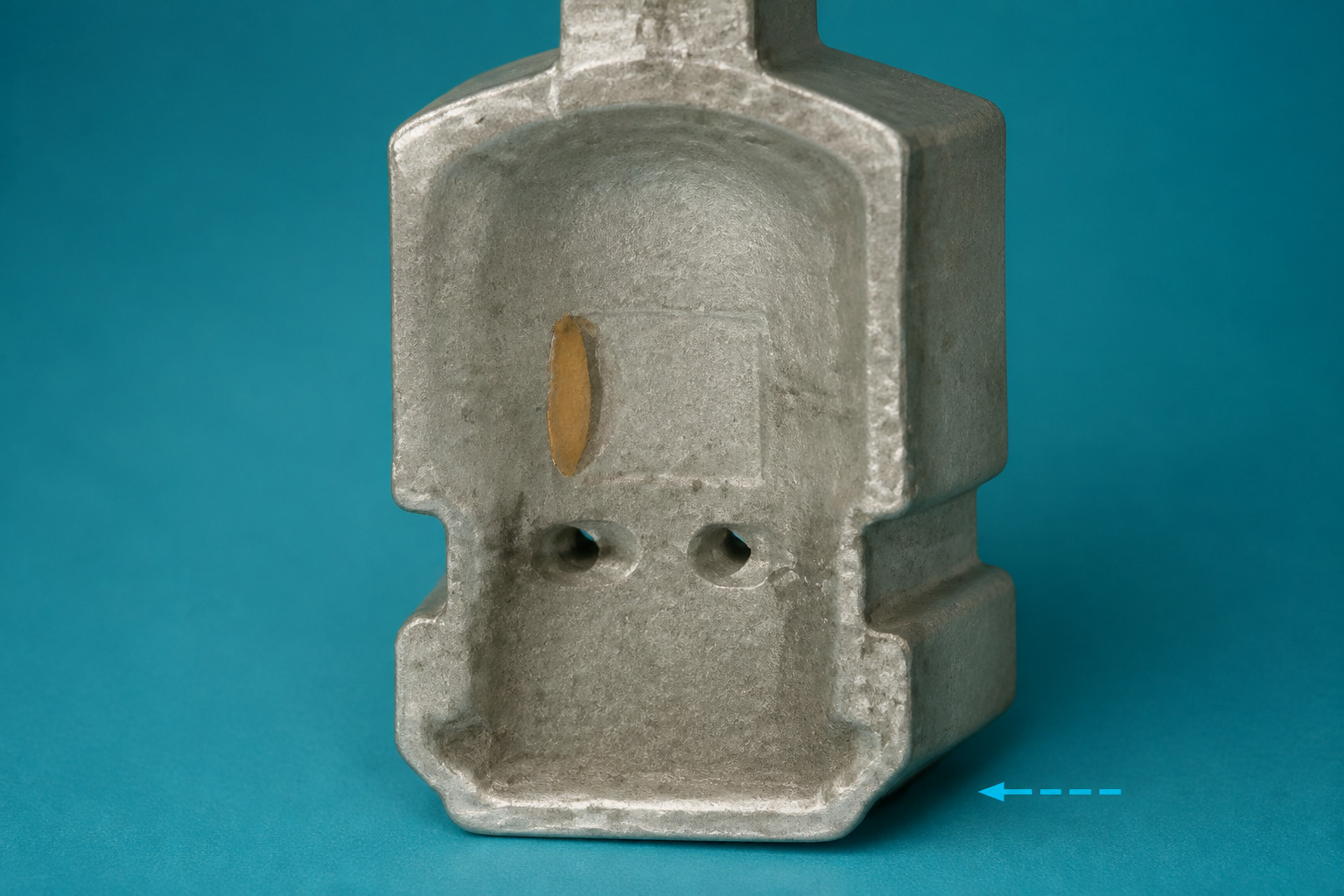
A dedicated dent workflow complements broad damage inspection where shallow deformation might otherwise be missed. It focuses operator attention, supports consistent policy and preserves the evidence needed to improve thresholds without replacing every model.
Show the suspected deformation directly and route only ambiguous cases to an inspector.
Dent extent, component role and customer tolerance can determine the appropriate disposition.
Part, surface and camera metadata define the expected region before a learned segmentation model evaluates deformation.
Use capture metadata to choose the relevant surface, standardize scale and reduce nuisance illumination variation.
A mask-based detector separates candidate deformation from holes, edges, scuffs and molded surface variation.
Return mask, confidence and component context; route the result for review when coverage or confidence is insufficient.
The repository contains annotated component views and dent/damage model experiments, but no universal production score. Acceptance should include shallow and severe dents, clean controls, wear, lighting changes and agreement with customer inspectors.
Next step
Tell us what the process must decide reliably, and we will reply with the measurement we would make first.