SENSE
Capture representative evidence
Cameras, LiDAR, laser, stereo or existing image data.
NIDVUE designs and delivers computer-vision software for robotics, industrial inspection, 3D measurement and visual analytics—built around the action your operation needs to take.
Choose the decision closest to your workflow. Each solution is shaped around real assets, sensing conditions, integration boundaries and acceptance criteria.
Locate, reconstruct and verify targets with geometry designed for motion planning.
Pose · target · correction→INDUSTRIAL INSPECTIONConnect localized defect evidence to release, review, maintenance or a safe hold.
Condition · severity · response→TRUSTED 3DCalibrate, reconstruct, register and filter spatial data into validated geometry.
Calibration · geometry · validity→ASSET IDENTITYPreserve label, view and confidence evidence before routing or handling decisions.
Identity · evidence · route→VISUAL ANALYTICSTurn synchronized observations into physical measurements and reviewable insight.
Observe · measure · explain→A convincing demonstration is not yet a production product. NIDVUE connects sensing, perception, geometry, decision logic and system integration so the final output is usable—and its limits are visible.
Explore the solution architectureCameras, LiDAR, laser, stereo or existing image data.
Detection, segmentation, identity and quality signals.
Pose, geometry, morphology, uncertainty and validity.
Target, condition, correction, measurement or exception.
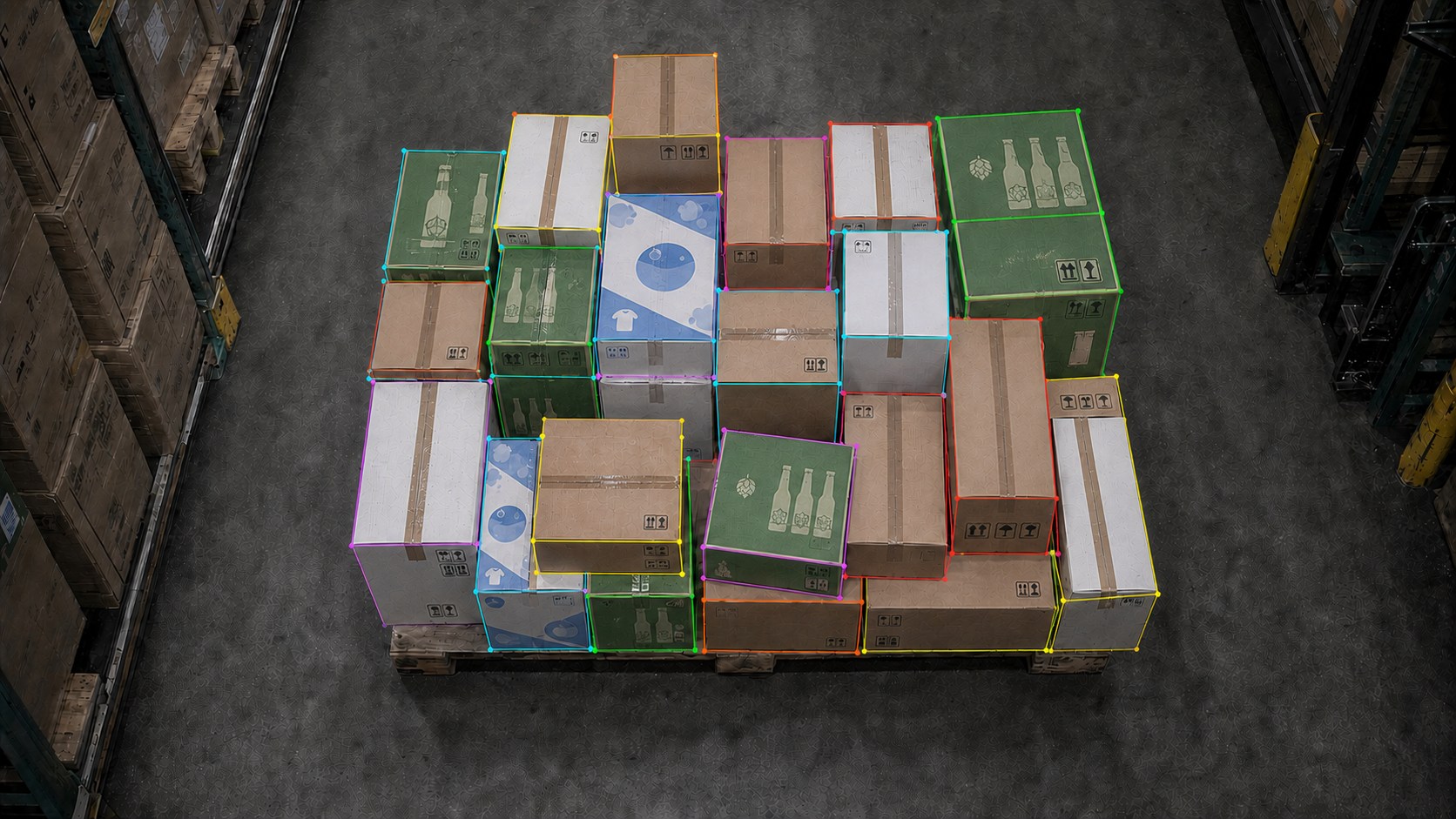
A traceable perception pipeline connects product identity, calibrated geometry and pose verification to the picking decision.
Read the project →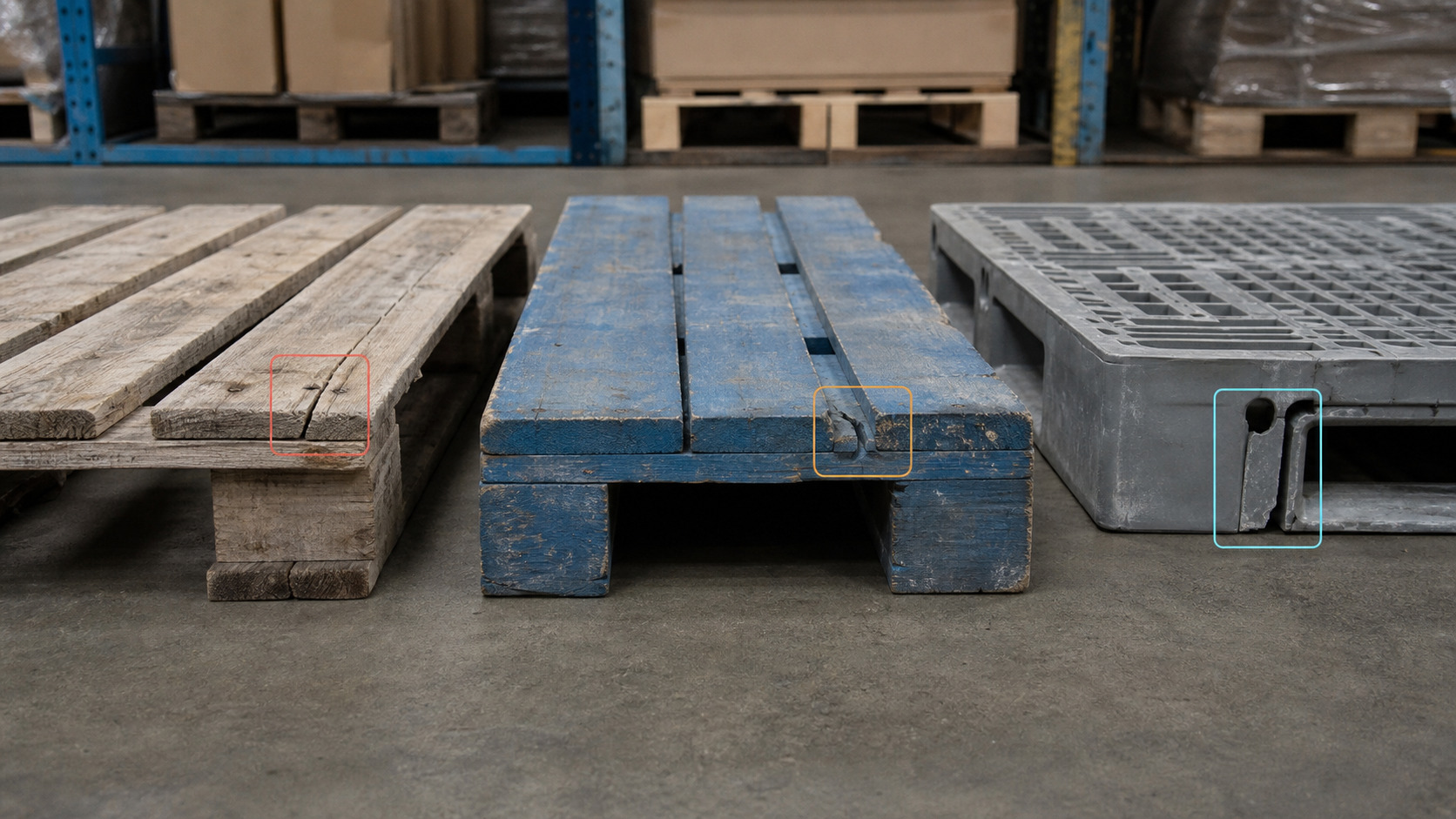
Localized evidence supports review and disposition instead of producing an unexplained label.
Read the project →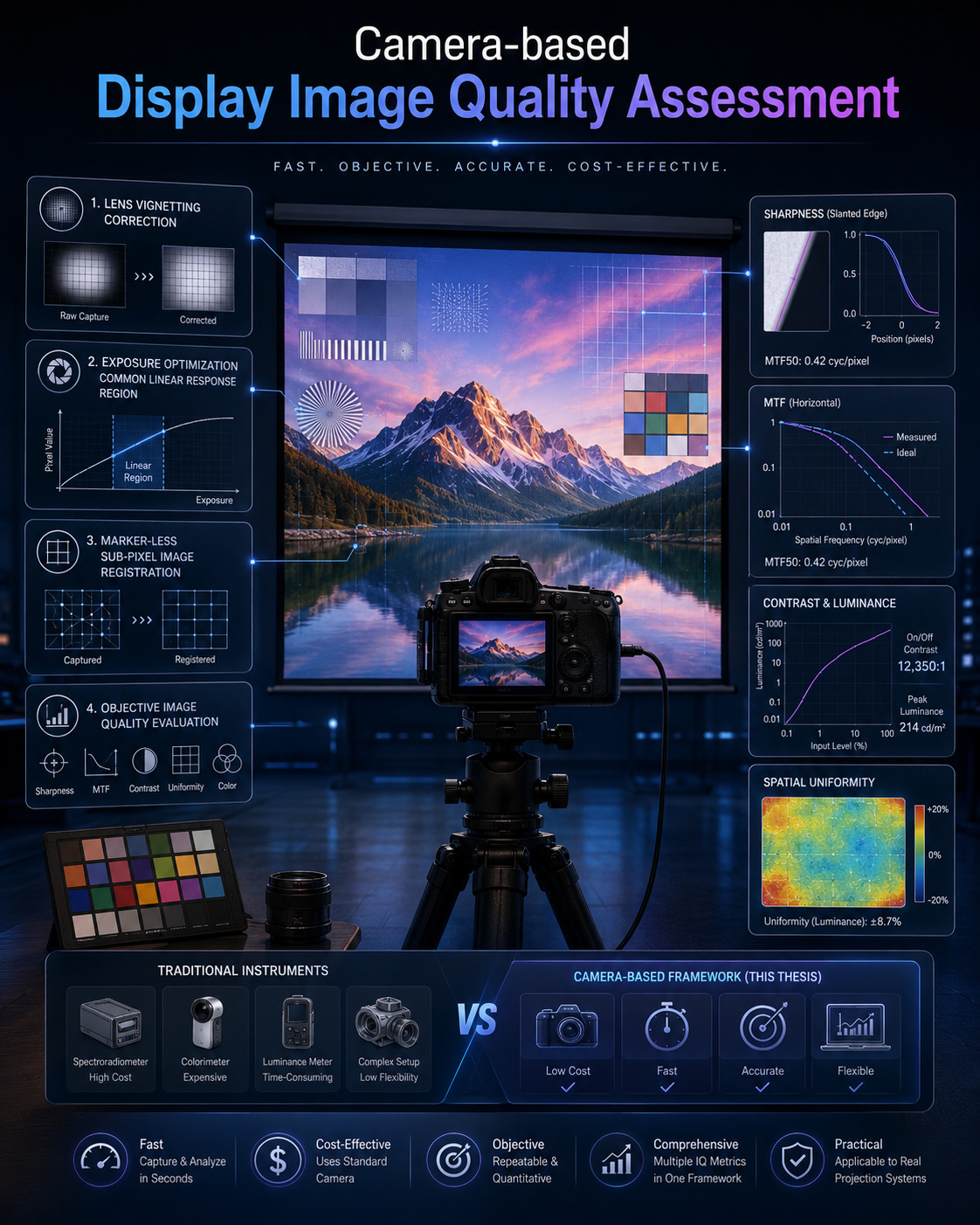
Calibrated acquisition and sub-pixel registration produce objective spatial evidence.
Read the project →We make assumptions, evidence, failure states and acceptance measures explicit throughout the work—so technical progress remains connected to operational value.
Align the visual task with its business consequence, available evidence and controlled fallback.
Use relevant assets, materials, lighting, geometry, speed and edge cases before scaling.
Design the handoff to the robot, operator, product API or downstream decision system.
Validate model quality, geometry, runtime and operational outcome against agreed criteria.
 NIDVUE
Born in Trondheim and inspired by Nidaros, NIDVUE stands for clarity in complexity: seeing the evidence, understanding the scene and delivering a decision people and systems can trust.
A useful first conversation should reduce uncertainty—not add a sales layer.
Yes, when the available evidence is suitable for the required decision. The assessment starts by reviewing the current hardware, data quality, geometry, workflow and constraints before recommending changes.
No. Start with the operating task and representative examples. The first step is to determine what evidence is needed, what can be reused and how feasibility should be tested.
Acceptance should reflect the complete task: perception quality, measurement error, runtime, failure handling and the cost of wrong operational decisions. The relevant measures are defined during scoping.
A model can be one component, but NIDVUE is strongest when the complete path matters—from sensing and geometry to a production interface, observable output and controlled exception state.
Share the visual task, operating environment and outcome you need. We will help frame the evidence, feasibility questions and a practical next step.