
Package reconstruction and 6D pose
Turn known textures, dimensions and calibrated imagery into robot-ready geometry.
NIDVUE builds computer-vision products around a clear operational output: what to pick, whether an asset is acceptable, where an object is in 3D, which asset is present, or what a physical scene measures.
Shared foundations create consistency across solutions, while each product is configured around its own assets, decisions and acceptance criteria.
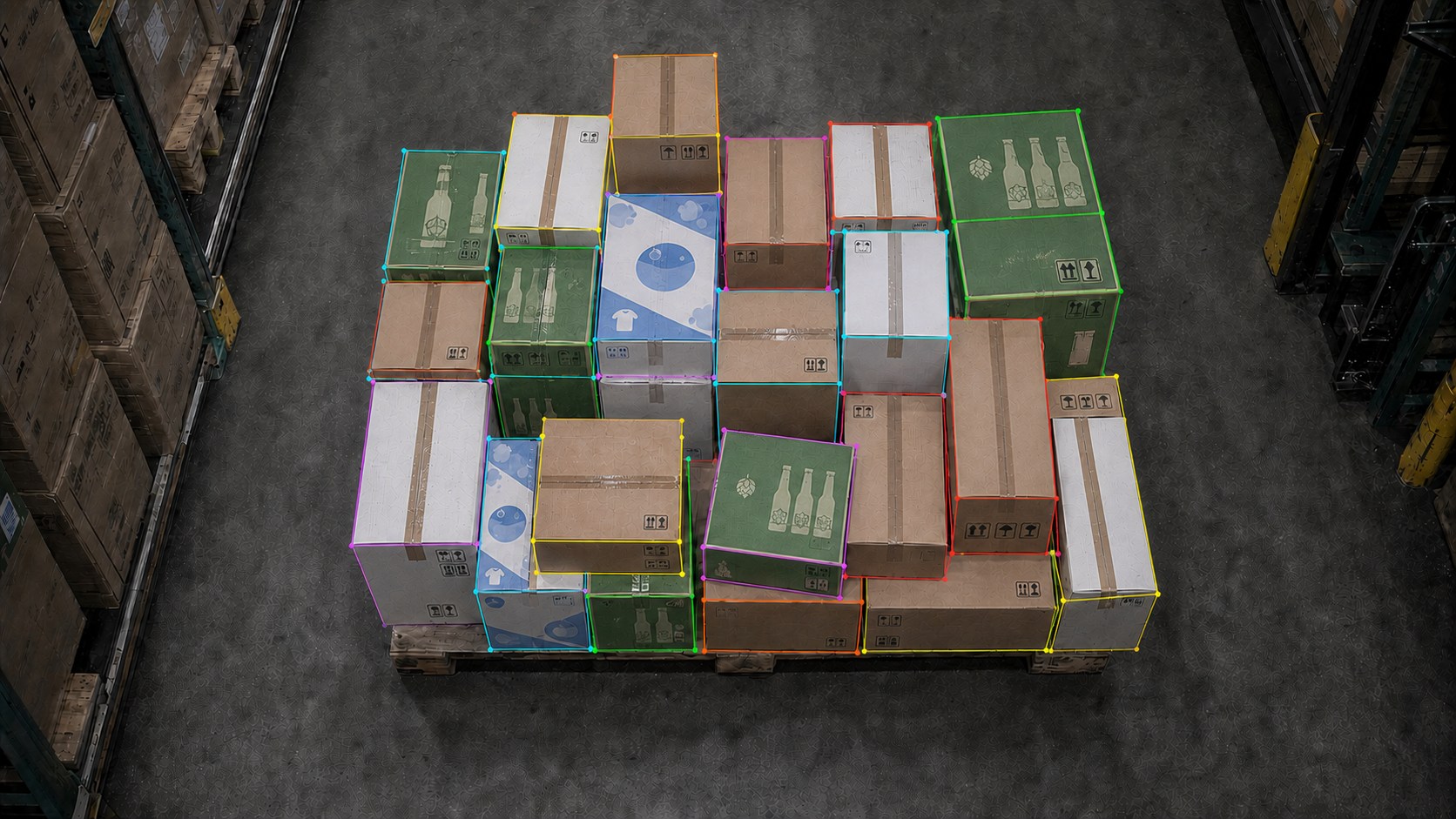
Connect package identity, stack context, metric pose and post-grasp verification so robot planning receives a reachable target or a controlled no-pick state.
Turn known textures, dimensions and calibrated imagery into robot-ready geometry.
Combine LiDAR layers, exposure and approach direction to select the next viable pick.
Measure center and yaw under the gripper before final placement.
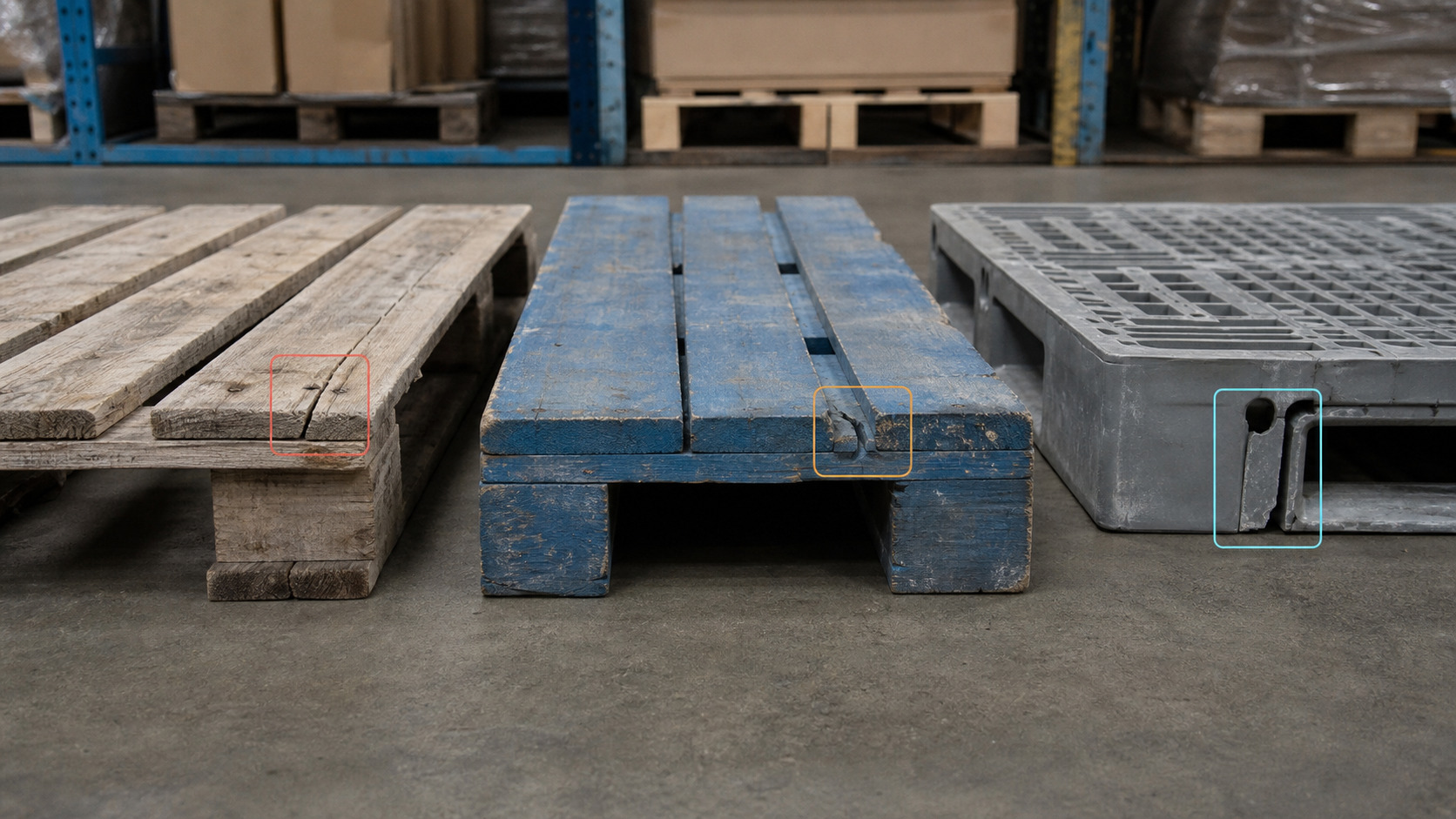
Localize the evidence, preserve its context and connect the result to release, review, maintenance or a safe process hold.
Detect cracks, dents and broken openings across realistic pallet materials and components.
Standardize cleanliness and contamination decisions using reference-based local texture evidence.
Detect loose cardboard and expose a simple hold-or-continue interface.
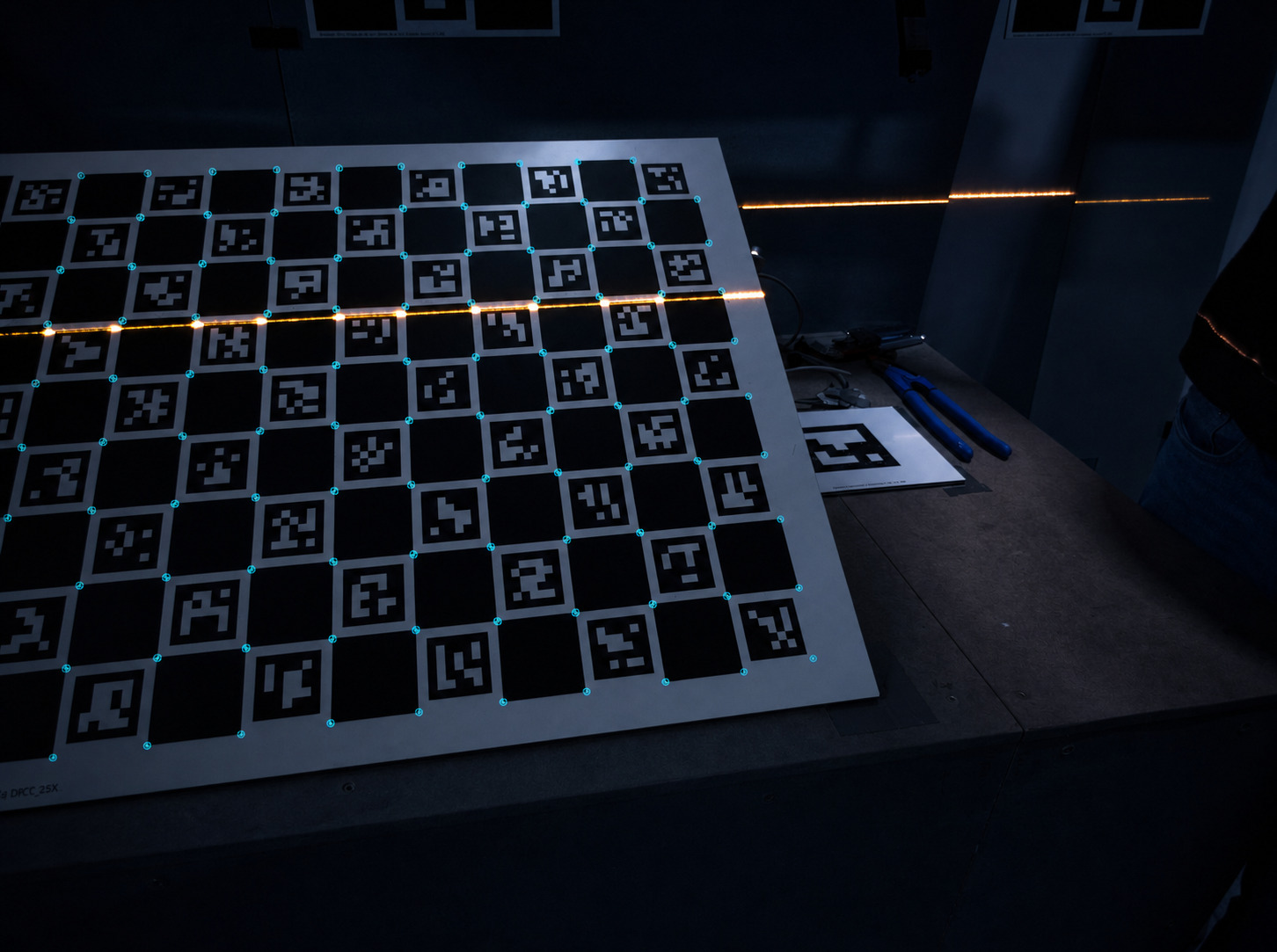
Build the calibrated measurement and data-quality chain required for localization, metrology, inspection and robot motion.
Recover weak laser lines and map accepted pixels into traceable metric coordinates.
Reject reflections, barriers and isolated artifacts while preserving task-critical surfaces.
Align partial observations to known geometry and publish a validated shared coordinate frame.
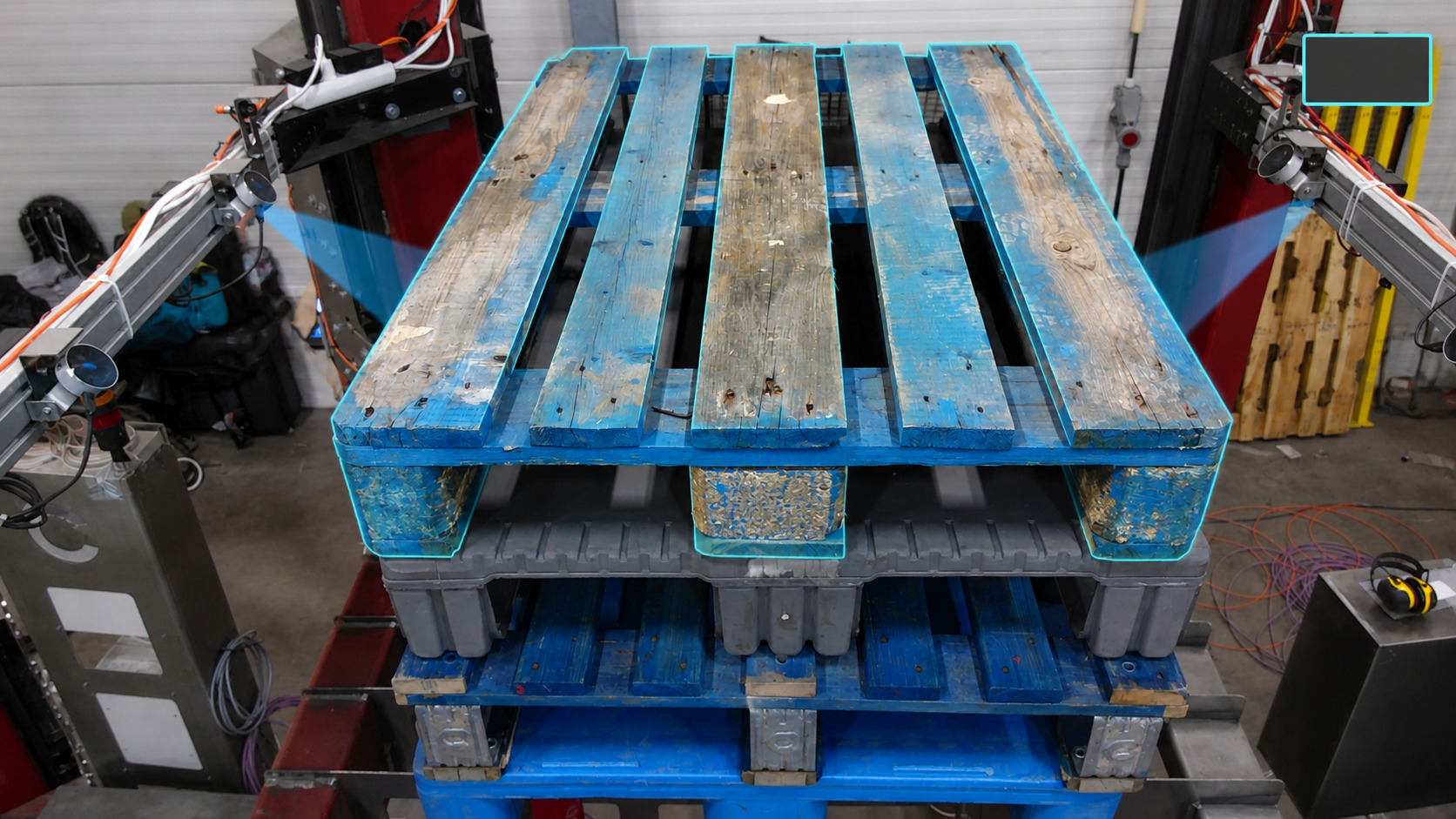
Find known labels and stamped regions across available views, preserve the crop and confidence, then aggregate the evidence into an operational asset type.
Separate identity regions from wear, wood grain, damage and warehouse markings.
Recover identity from the visible side and fail safely when evidence is absent or unreadable.
Keep recognition separate from routing, ownership and handling rules.
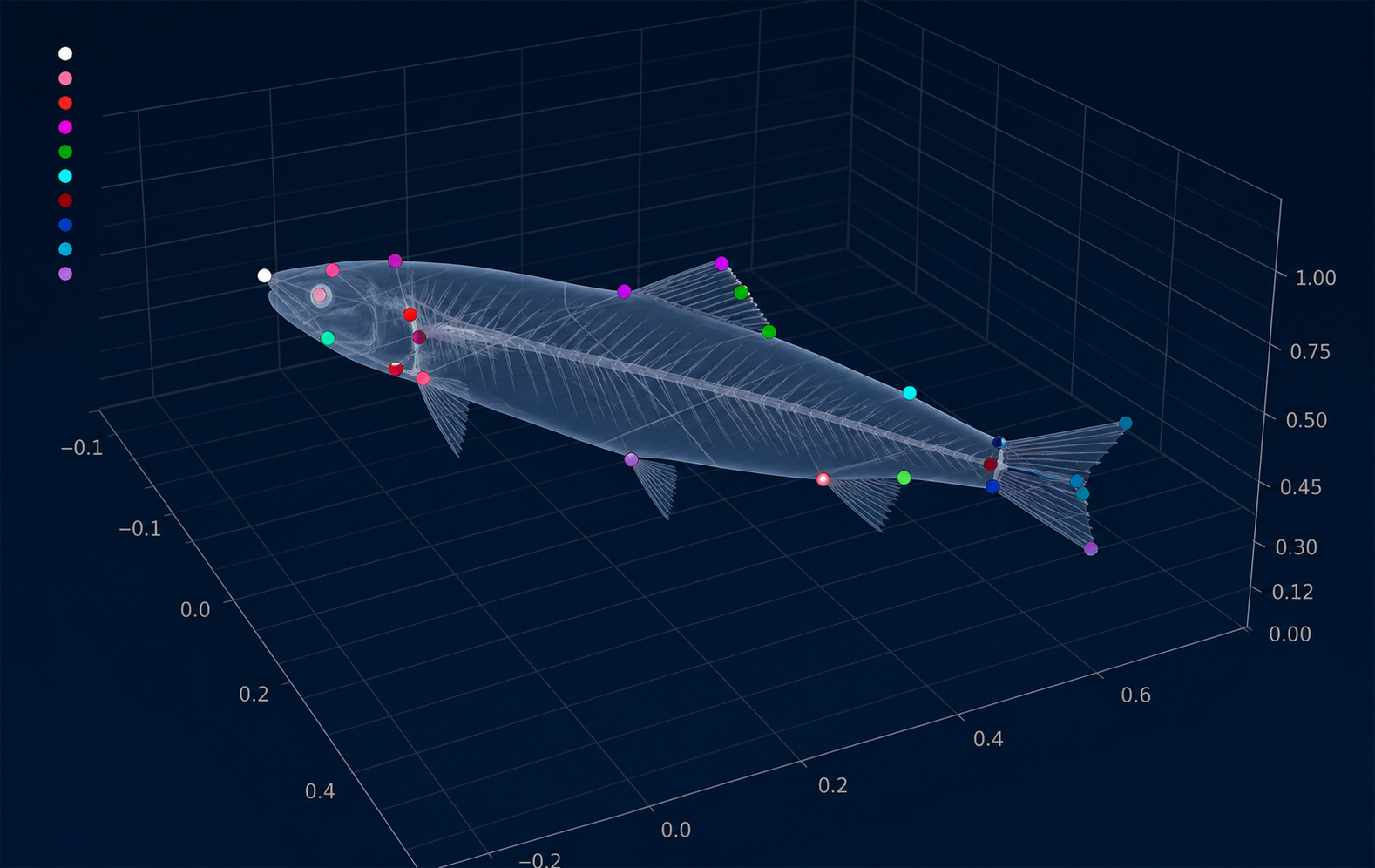
Turn synchronized observations into physical morphology and inspectable features without interrupting the population or process being measured.
Detect each visible subject and locate repeatable anatomical or geometric landmarks.
Associate observations across views and triangulate physical three-dimensional form.
Keep detections, landmarks and geometry reviewable before regression results are consumed.
Technical performance and operational value are designed and validated together.
Clarify the evidence, response, failure state and business consequence.
Use real assets, camera geometry, materials, lighting and edge cases.
Deliver usable coordinates, conditions, corrections or exception states.
Measure operational outcome as well as model and geometry quality.
Start with the operating constraint, the evidence available and the outcome that matters.